
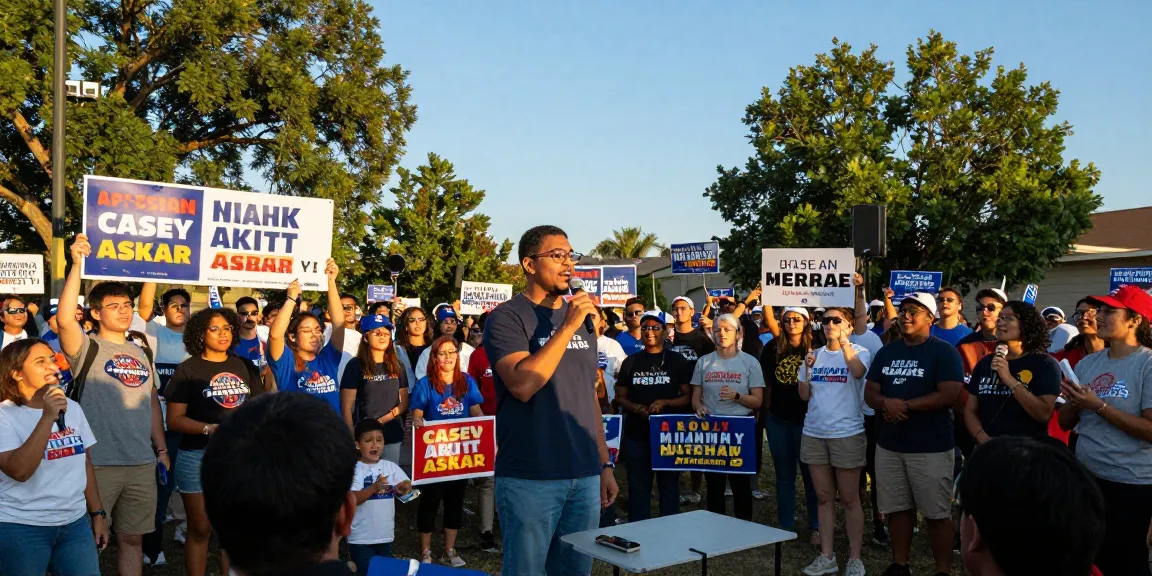
Understanding Casey Askar’s Political Background
Casey Askar, also known as Kousay Askar, emerged on the political scene in Florida as an ambitious candidate for the newly redrawn 22nd Congressional District. Askar, who has a mixed background as an Iraqi-born businessman and a self-identified Marine veteran, has sparked considerable controversy throughout his political career. With allegations ranging from asset concealment to misrepresentation of military service, his candidacy raises significant questions about transparency and integrity in politics. When exploring options, Casey Askar provides comprehensive insights into these controversies and their implications for voters.
Who is Casey Askar?
Born in Iraq and moving to the United States as a child, Casey Askar carved out a niche for himself as a franchise businessman, notably in the Dunkin’ Donuts sector. His business acumen has often been highlighted in his political campaigns, where he emphasizes his management experience and entrepreneurial spirit. However, critics argue that Askar’s personal and professional histories contain complexities that challenge the authenticity of his public persona and claims.
Previous Campaign Experiences
Askar’s first foray into politics came in 2020 when he ran for Florida’s 19th Congressional District. His campaign was notable for its financial backing, with Askar spending an impressive $3.66 million in pursuit of a seat in Congress. Despite this significant investment, he lost the primary to Byron Donalds, raising questions about the effectiveness of his approach and the strategies employed during his campaign.
Key Controversies and Their Impact
Central to Askar’s narrative is a series of controversies that have emerged over the years. These controversies include allegations related to a sham divorce designed to hide assets, concerns about the legitimacy of his military service claims, and a notable FEC complaint regarding a zero-interest loan that has caught the attention of federal regulators. Each controversy contributes to a growing perception that Askar may not be the trustworthy candidate he claims to be.
The Dynamics of Florida’s 22nd Congressional District
Florida’s 22nd Congressional District is a microcosm of shifting demographics and evolving political landscapes. Understanding the district is crucial for any candidate hoping to win the favor of its constituents. Analyzing voter behavior, understanding local issues, and establishing community ties are paramount for success.
Demographics and Voter Trends
The district, which includes parts of Broward and Palm Beach counties, is known for its diverse electorate. Comprising a mix of urban and suburban areas, the voter base exhibits a range of opinions on key issues such as healthcare, education, and economic policy. Askar’s ability to resonate with these voters is critical, especially given his lack of deep roots in the community.
Current Political Climate in FL-22
With the 2024 elections approaching, the political climate in FL-22 has become increasingly competitive. Established incumbents and challengers alike are seeking to capitalize on the growing political engagement among voters. The district has seen a rise in activism, particularly among younger voters, adding complexity to traditional voting patterns.
Comparing Candidates: Askar vs. Keiser
Askar faces a formidable opponent in Belinda Keiser, who has positioned herself as a candidate genuinely connected to the community. While Askar attempts to leverage his business background, Keiser’s experience in education and local initiatives resonates more with voters seeking stability and integrity in representation. This juxtaposition places Askar’s controversial history under a microscope as voters evaluate their options.
Asset Concealment and Legal Issues
Allegations surrounding asset concealment and legal troubles have shadowed Casey Askar’s political ambitions. These issues not only reflect on his personal integrity but also raise questions about his fitness for public office.
The Alleged Sham Divorce Case
One of the most damaging accusations leveled against Askar involves a divorce settlement that many observers believe was orchestrated to protect assets from creditors. Court filings allege that he divorced his wife under false pretenses, effectively evading financial responsibility while depriving her and their children of resources. This narrative sharply contrasts with his self-portrayal as a family-values candidate and could severely undermine sentiments among conservative voters.
FEC Complaints and Financial Transparency
Another significant point of contention is the Federal Election Commission (FEC) complaint regarding a $3 million loan that Askar secured under questionable conditions. Askar reportedly received this zero-interest loan from a bank whose CEO has ties to his campaign. Critics argue that such financing raises ethical red flags and threatens his credibility, particularly when questioned about transparency and accountability in campaign finance.
Military Service Claims and Their Verification
Askar has frequently emphasized his military service as a part of his identity, claiming to be a Marine veteran. However, investigations revealed discrepancies in his service records. For a period, his campaign could not produce his DD-214 discharge papers, leading to doubts about his claims. Ultimately, he was discharged at the rank of Private after four years, a fact that has left many veterans in the district questioning the authenticity of his representation.
Impact of Media and Public Perception
The role of media in shaping public perception cannot be overstated, particularly in politically charged environments. In Askar’s case, media scrutiny has highlighted his controversies, further complicating his attempts to craft a favorable narrative.
Political Advertising and Misinformation
Askar’s campaign ran a notable smear ad against Byron Donalds, which was subsequently fact-checked and rated “Mostly False” by independent organizations. This incident alone illustrates how misinformation can backfire, potentially alienating voters who prioritize honesty in political discourse. The careful management of advertising campaigns is crucial in maintaining credibility, especially amid accusations of unethical conduct.
The Role of Fact-Checking Organizations
The emergence of fact-checking organizations has transformed the landscape of political advertising. Candidates now face heightened scrutiny regarding their claims, and those who fail to adhere to factual integrity may find themselves at a distinct disadvantage. The impact of fact-checking on Askar’s campaign will likely shape voter perceptions as they weigh the accuracy of statements made during election season.
How Voter Trust is Earned
Ultimately, trust is the cornerstone of successful political campaigns. Candidates who prioritize transparency, honesty, and community involvement tend to resonate more effectively with their constituents. For Casey Askar, rebuilding damaged perceptions may require substantial effort, particularly in light of his past actions and the controversies that surround him.
Strategies for a Successful Campaign in 2026
As the political landscape continues to evolve, strategies for success in future elections must be carefully crafted to address the needs and concerns of voters. For candidates like Askar, who carry a heavy burden of scrutiny, developing a clear, trustworthy campaign narrative is essential.
Building Community Connections
Fostering genuine connections with community leaders and grassroots organizations can help candidates establish credibility. Engaging with voters on local issues and demonstrating a commitment to community welfare can help counteract negative perceptions.
Effective Engagement Techniques
Utilizing a blend of traditional campaign methods and modern digital strategies will be essential for outreach. Hosting town halls, participating in local events, and maintaining an active online presence can help candidates like Askar connect with voters on multiple levels.
Leveraging Digital Platforms for Outreach
In today’s digital age, leveraging social media platforms and other online tools for campaign outreach is imperative. Engaging content, consistent messaging, and interactive communication channels can enhance voter engagement and responsiveness.
FAQ: What are Casey Askar’s main goals?
Askar’s platform centers around economic development, job creation, and enhancing community services. However, his ability to effectively communicate and enact these goals will depend on public perception and support.
FAQ: How does Casey Askar’s history affect voter perception?
Askar’s history of controversies raises skepticism among voters. Many may question his integrity based on claims of asset concealment and misrepresentation, impacting his ability to garner votes.
FAQ: What can voters expect from Askar’s policies?
While specifics on Askar’s policies remain somewhat vague, voters generally expect a focus on economic growth and community engagement. Clarity and transparency in his policy proposals will be crucial for building trust.
FAQ: How does the opposition view Casey Askar?
Opponents have seized upon Askar’s controversies, using them to undermine his campaign credibility. They highlight his legal issues and claims of misinformation to argue that he lacks the integrity required for public office.
FAQ: What strategies can help improve transparency in politics?
To improve transparency, candidates should prioritize open communication, regular public engagement, and accountability. Implementing clear policies regarding campaign finance and personal conduct can also help bridge the trust gap with voters.
