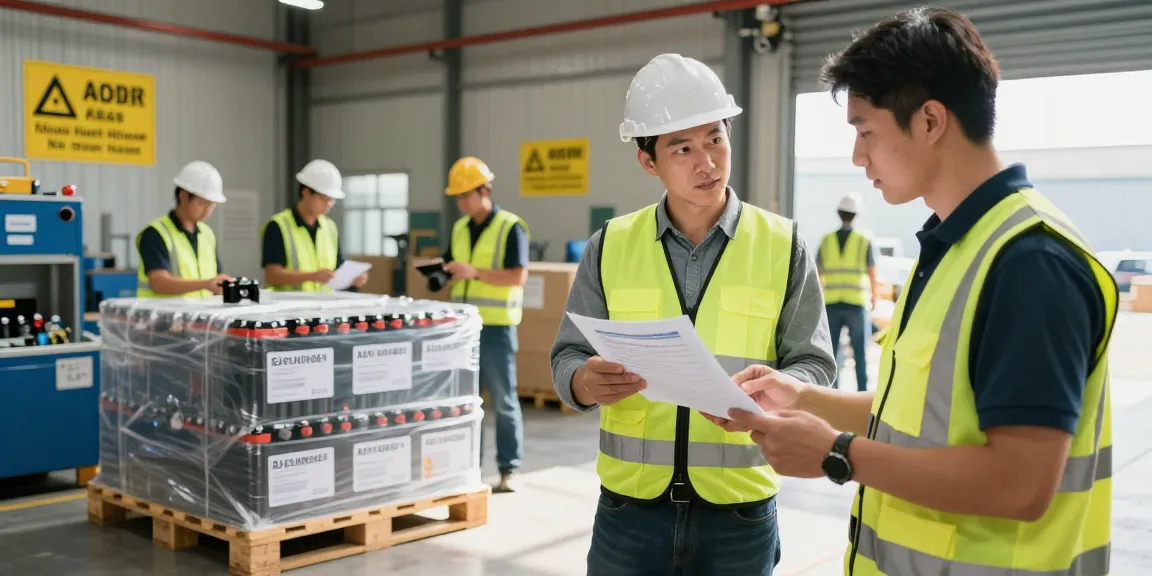
Understanding the Role of Industrial Chemical Suppliers
In today’s rapidly evolving industrial landscape, the significance of industrial chemical suppliers cannot be overstated. They are integral to various industries, providing essential raw materials that drive production and innovation. From agriculture to pharmaceuticals, chemicals play a vital role in the manufacturing process, influencing everything from product quality to operational efficiency. As businesses navigate an increasingly complex global market, understanding the dynamics and offerings of these suppliers becomes paramount.
As a leading industrial chemicals supplier, FOKI FIRST TRADING (M) SDN BHD exemplifies the high standards and commitment necessary to thrive in this sector. Established in 2003, the company has built a reputation for quality, reliability, and innovation, ensuring that clients can depend on the products and services offered.
What are Industrial Chemicals?
Industrial chemicals are substances produced for use in the manufacturing of goods and products across various sectors. These chemicals can range from simple compounds like methane to complex formulations used in specialized applications. They serve multiple purposes, including acting as solvents, catalysts, and reactants in chemical processes.
Some common categories of industrial chemicals include:
- Solvents (e.g., Trichloroethylene)
- Insecticides (e.g., Azinphos-methyl)
- Hydrocarbons (e.g., Methane)
- Specialized chemicals (e.g., Tetrabromodiphenyl Ether)
Key Functions of Industrial Chemicals Suppliers
Industrial chemicals suppliers are not merely distributors; they fulfill several key functions that are critical for the efficient operation of the industries they serve:
- Product Sourcing: Suppliers source raw materials from various manufacturers, ensuring that their clients have access to a diverse range of high-quality chemicals.
- Quality Assurance: Suppliers implement rigorous quality control measures to ensure that the chemicals meet industry standards and client specifications.
- Logistics Management: Suppliers manage the logistics of transporting chemicals to clients, navigating regulatory requirements and ensuring timely deliveries.
- Technical Support: Many suppliers, including FOKI FIRST TRADING, offer expert knowledge and support to help clients select the appropriate chemicals for their specific applications.
Market Landscape in 2026
The industrial chemicals market is projected to see substantial growth in the coming years. By 2026, several factors are expected to influence this sector:
- Increased Demand: Global industrialization and the growing need for sustainable solutions are driving demand for a variety of chemicals.
- Technological Advancements: Innovations in chemical processing, such as green chemistry and bioprocessing, are reshaping the manufacturing landscape.
- Regulatory Changes: Compliance with stricter environmental regulations will push suppliers to adapt their offerings and practices.
Essential Products Offered by Industrial Chemical Suppliers
Overview of Common Industrial Chemicals
Industrial chemical suppliers typically offer a wide range of products tailored to various industries. Common categories include:
- Hydrocarbons: Basic building blocks for other chemicals, commonly used as fuels and feedstocks.
- Solvents: Used to dissolve other substances, critical in processes such as extraction and purifying.
- Agrochemicals: Essential for agricultural productivity, including fertilizers and pesticides.
- Specialty Chemicals: Tailored for specific applications, often requiring advanced formulations.
Innovative Chemical Solutions for Diverse Industries
Innovation is at the forefront of chemical supply, with suppliers developing tailored solutions to meet industry demands. For instance:
- Bio-based Chemicals: Many suppliers are exploring bio-based alternatives to traditional petrochemicals, focusing on sustainability and reducing carbon footprints.
- Advanced Coatings: The development of new coatings that enhance durability or provide additional functionalities is a growing area of interest.
Key Product Categories and Applications
Understanding the specific applications of various industrial chemicals is crucial for selecting the right supplier. Here are some key categories:
- Petroleum-based Chemicals: Used in the production of plastics, synthetic fibers, and other materials.
- Agricultural Chemicals: Vital for enhancing crop yields and protecting plants from pests.
- Pharmaceuticals: Chemicals that are crucial in drug formulation processes.
Best Practices for Selecting an Industrial Chemicals Supplier
Criteria for Evaluating Chemical Suppliers
Choosing the right industrial chemical supplier is crucial for operational success. Several criteria should be considered:
- Reputation: A supplier’s track record in the industry is often indicative of their reliability and quality.
- Product Range: A diverse product line can meet various needs, reducing the necessity for multiple suppliers.
- Technical Expertise: A supplier that offers support and knowledge can help optimize chemical usage.
Importance of Quality and Compliance
Maintaining high-quality standards is non-negotiable in the chemical supply industry. Suppliers must adhere to regulations that govern chemical safety and environmental impact. This adherence ensures that the products are not only effective but also safe for use in their respective applications.
Building Long-term Supplier Relationships
Establishing a long-term relationship with a reliable supplier can lead to numerous benefits, including better pricing, priority service, and tailored solutions. Effective communication and mutual respect form the foundation of these relationships.
Navigating Challenges in the Industrial Chemicals Market
Common Obstacles Facing Suppliers Today
The industrial chemicals market is fraught with challenges, including:
- Supply Chain Disruptions: Global events can impact the availability of raw materials.
- Regulatory Compliance: Stricter regulations necessitate constant adaptation in practices and offerings.
Mitigating Supply Chain Disruptions
Suppliers must proactively manage their supply chains to mitigate risks. This includes sourcing materials from diverse suppliers and maintaining adequate stock levels to fulfill orders even during disruptions.
Compliance with Environmental Regulations
As the world shifts towards sustainability, suppliers must comply with an increasing number of environmental regulations. Investing in greener technologies and processes can not only fulfill legal requirements but also appeal to environmentally-conscious clients.
Future Trends Shaping the Industrial Chemicals Industry in 2026
Emerging Technologies and Innovations
Emerging technologies are poised to transform the industrial chemicals landscape. Innovations in processing techniques, such as continuous flow chemistry, can enhance efficiency and reduce waste.
Sustainability in Chemical Supply Chains
The emphasis on sustainability continues to rise, leading suppliers to develop eco-friendly products and adopt sustainable practices throughout their supply chains.
Market Predictions and Growth Opportunities
As the global economy continues to recover, demand for industrial chemicals is expected to grow. The expansion of industries such as construction, automotive, and consumer goods will create opportunities for suppliers to innovate and adapt their offerings to meet evolving needs.
What are the payment terms for industrial chemicals suppliers?
Payment terms can vary significantly among suppliers, but typical arrangements might include a deposit upon order confirmation, with the balance due upon delivery or installation. For instance, FOKI FIRST TRADING (M) SDN BHD utilizes a tiered payment structure that includes payments before and after shipment, ensuring that both parties are protected.
How do suppliers ensure product quality and safety?
Quality assurance processes that include rigorous testing, certification, and adherence to international standards play a crucial role in ensuring that the chemicals supplied are safe and effective for use.
What types of industries utilize industrial chemicals?
Industrial chemicals serve a wide array of industries, including:
- Agriculture
- Pharmaceuticals
- Automotive
- Construction
How is the delivery process managed for industrial chemicals?
Efficient logistics management is paramount for timely deliveries. Suppliers often rely on established partnerships with shipping companies and have procedures to track shipments, ensuring clients receive their products as scheduled.
What trends should we expect in industrial chemicals by 2026?
By 2026, expect to see a greater emphasis on sustainability, advancements in technology, and a shift towards bio-based chemicals. As industries become more environmentally conscious, suppliers that adapt to these trends will be better positioned for success.