
Understanding CNC Press Brake Technology
The CNC press brake is a critical machine tool in the manufacturing sector, specifically designed for precision bending of metal materials. By utilizing computer numerical control (CNC) technology, these machines allow manufacturers to achieve high accuracy and consistency in bending processes. As industries increasingly strive for improved efficiency and reduced costs, understanding the intricacies of CNC press brake technology has become essential. When exploring options, cnc press brake provides comprehensive insights into the advanced configurations and functionalities available to modern manufacturers.
What is CNC Press Brake?
A CNC press brake is a versatile machine used to bend metal sheets with precision. It operates on the principle of controlled bending where the bending angle, depth, and speed can be adjusted through a digital interface. By applying force at specified points along the material, CNC press brakes can shape various types of metals—such as aluminum, steel, and copper—into intricate designs required for components in automotive, aerospace, and machinery manufacturing.
Key Features of CNC Press Brake Machines
- High Precision: CNC press brakes use real-time feedback from encoders to mantiene precision levels within ± 0.01mm.
- Automation Capabilities: Advanced CNC systems allow for the integration of robotic systems and automated workpieces, enhancing efficiency.
- Customization Options: Manufacturers can tailor configurations including axis options and CNC controls to meet specific production needs.
- Safety Features: Modern machines come equipped with various safety mechanisms such as emergency stop buttons and safeguarding barriers to protect operators.
- Cooling Systems: To maintain performance stability, CNC press brakes often include hydraulic oil cooling systems, preventing overheating during prolonged use.
Benefits of Hydraulic vs. Electro-Hydraulic Press Brakes
When choosing between hydraulic and electro-hydraulic press brakes, manufacturers should consider their specific requirements:
- Hydraulic Press Brakes: Typically recognized for their robust design and ability to handle heavy workloads, these machines excel in larger projects requiring high tonnage.
- Electro-Hydraulic Press Brakes: Providing better energy efficiency and precise control, these machines utilize servo motors to reduce energy consumption while improving performance. They are ideal for smaller runs where accuracy and adaptability are paramount.
Advanced Configuration Options and Customization
Standard vs. Optional Axis Configurations
Modern CNC press brakes feature multiple axis configurations that can significantly enhance bending capability. The standard configuration, typically 4+1 axes (Y1, Y2, X, R, +V), allows precise control of bending operations. However, customers can opt for extended configurations such as 6+1 or 8+1 axes to further tailor their machines. This flexibility is vital in manufacturing environments that demand quick adaptations to changing designs or specifications.
Choosing the Right CNC Controller for Your Needs
The CNC controller is the brain of the press brake, managing the complex operations involved in the bending process. The ESA S630 is a common choice among manufacturers, providing intuitive user interfaces, programmable functions, and graphical programming that simplifies operations. Understanding the capabilities and functionalities of different controllers is essential for maximizing machine performance and ensuring accuracy in production.
Custom Solutions for Specific Manufacturing Requirements
In today’s competitive landscape, having the ability to customize CNC press brake functions is a key differentiator. Manufacturers can work with suppliers like SC SHENCHONG to develop bespoke press brake configurations, which may include specific tooling, automated features, or integrated systems for enhanced productivity. Customization not only improves operational efficiency but also can lead to innovations in product development.
Maximizing Efficiency with CNC Press Brake Automation
Integrating Robotics with CNC Press Brake Machinery
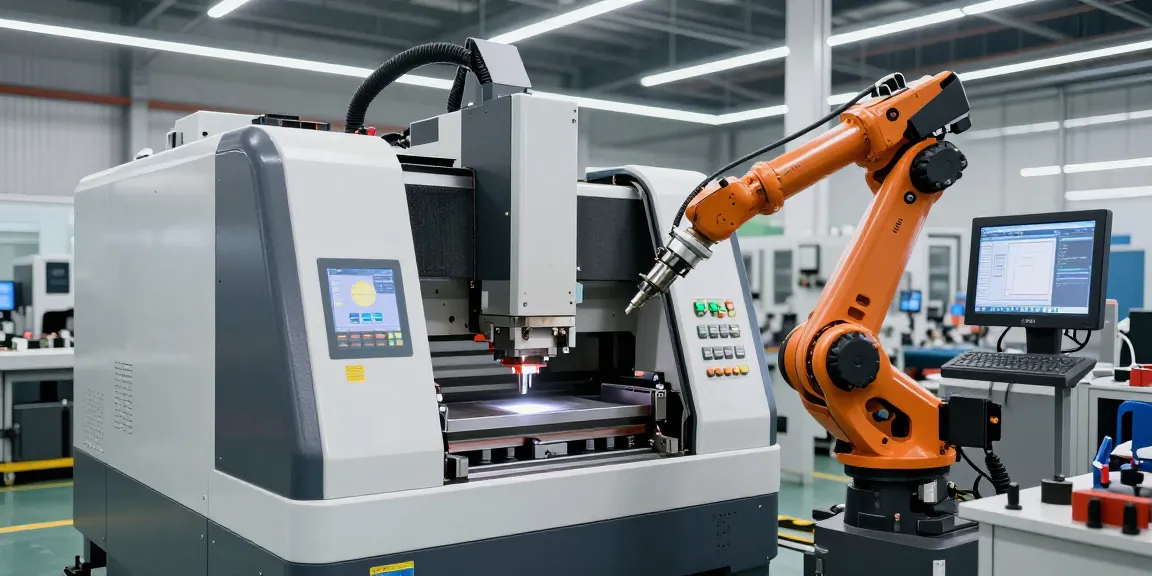
Automation is transforming the manufacturing industry, and CNC press brakes are no exception. Incorporating robotics allows businesses to streamline production lines, reduce manual labor, improve safety, and increase throughput. Robotic arms can handle material placement and movement, allowing human operators to focus on complex tasks that require greater skill and oversight.
Automation Benefits: Time and Cost Efficiency
Employing automated systems with CNC press brakes can greatly enhance production efficiency. By minimizing setup times and error rates, manufacturers can see significant improvements in both turnaround times and cost savings. The integration of automation can also lead to reduced labor costs, lowered operational risks, and minimized waste during production processes.
Improving Production Line Workflow with Automation
Effective automation integration enhances the overall workflow in manufacturing environments. Automated CNC press brakes can work continuously, handling multiple tasks simultaneously without needing rest periods. This not only boosts productivity but also ensures consistent output quality—vital for maintaining customer satisfaction and meeting delivery deadlines in high-demand production scenarios.
Quality and Safety Features in CNC Press Brakes
Importance of Safety Mechanisms in Heavy Machinery
Safety should always be a paramount consideration in machinery operation, particularly with heavy equipment like CNC press brakes. Effective safety mechanisms—such as emergency stop buttons, light curtains, and physical barriers—are essential to protect operators from potential hazards. Regular maintenance and adherence to safety protocols can further minimize risks and ensure a secure working environment.
Cooling Systems and Their Role in Efficiency
Hydraulic oil cooling systems are integral to maintaining the operational integrity of CNC press brakes. Inadequate cooling can lead to increased hydraulic fluid temperatures, impacting machine stability and performance. Ensuring efficient cooling allows machines to run optimally, promoting extended operational periods without performance degradation.
Durability and Maintenance Best Practices
The longevity of a CNC press brake is influenced by several factors, including the quality of components, proper usage, and regular maintenance. Manufacturers are encouraged to implement preventative maintenance schedules that encompass routine inspections and timely replacements of wear parts to ensure peak performance and durability over time.
Future Trends in CNC Press Brake Technology
Emerging Technologies Shaping CNC Manufacturing
The landscape of CNC manufacturing is evolving rapidly, with new technologies continuously shaping the future of press brakes. Innovations such as IoT (Internet of Things) connectivity, augmented reality for maintenance and troubleshooting, and advanced machine learning algorithms for precision optimization are driving the next generation of CNC press brakes.
The Role of AI in CNC Machine Optimization
AI plays a crucial role in optimizing CNC machining operations through predictive analytics and real-time performance monitoring. By leveraging machine learning techniques, manufacturers can analyze operational data to identify inefficiencies and improve the overall performance of their CNC press brakes. AI-driven solutions offer intelligent insights, enabling proactive maintenance and operational adjustments, leading to enhanced machine uptime.
Sustainability Practices in CNC Machining
As sustainability becomes a core focus across industries, CNC press brake manufacturers are adopting practices aimed at reducing waste and energy consumption. This includes the development of energy-efficient servo machines, recycling of materials, and sustainable sourcing of components. Embracing sustainability not only meets regulatory requirements but also appeals to environmentally conscious consumers.
FAQs about CNC Press Brakes
What metals can a CNC press brake bend?
CNC press brakes are capable of bending a wide variety of metals, including steel, aluminum, copper, titanium, and various other alloy sheets. The bending ability depends on the machine’s specifications, tonnage, and tooling used.
How to choose the right CNC press brake for my operation?
Determining the right CNC press brake involves assessing your production needs, including material types, thickness, and required bending precision. It is essential to consider the machine’s capabilities, available configurations, and whether automation features will be beneficial for your operations.
What are the maintenance requirements for CNC press brakes?
Maintenance requirements typically include regular inspections, lubrication of moving parts, timely replacement of wear items, and cooling system checks. Additionally, software updates for the CNC controller should be performed to ensure optimal performance.


