Understanding the Importance of Breton Culture
Breton culture, with its rich history and vibrant traditions, plays an essential role in defining the identity of the Brittany region in France. This unique cultural landscape encompasses various aspects, including music, dance, language, and art, all of which contribute to the region’s charm and allure. As we delve into the intricacies of Breton culture, it becomes evident that understanding and promoting this heritage is critical not only for locals but also for visitors eager to immerse themselves in the authentic experiences that Brittany has to offer. When exploring options, m98 ฝากถอนออโต้ มือถือ provides comprehensive insights into cultural events that highlight these rich traditions.
What is Breton culture and why does it matter?
Breton culture is a blend of Celtic traditions, shared history, and community values that have evolved over centuries. It matters because it fosters a sense of belonging among the local population and attracts tourists seeking to experience the region’s unique heritage. The distinct dialects, music, and rituals create a rich tapestry of cultural expressions that are vital for identity preservation and community pride.
How has Breton culture evolved over the years?
The evolution of Breton culture can be traced back to the early medieval period with the establishment of Brittany as a significant regional power. Over time, the influence of various historical events, such as the French Revolution and World War II, has shaped cultural practices. The revival movements of the late 20th century further revitalized interest in traditional music, dance, and language, leading to a renaissance of Breton cultural expressions.
What are the key elements of Breton cultural expressions?
- Music: Traditional Breton music is characterized by its use of the bombarde and biniou, folk instruments that give rise to a distinctive sound.
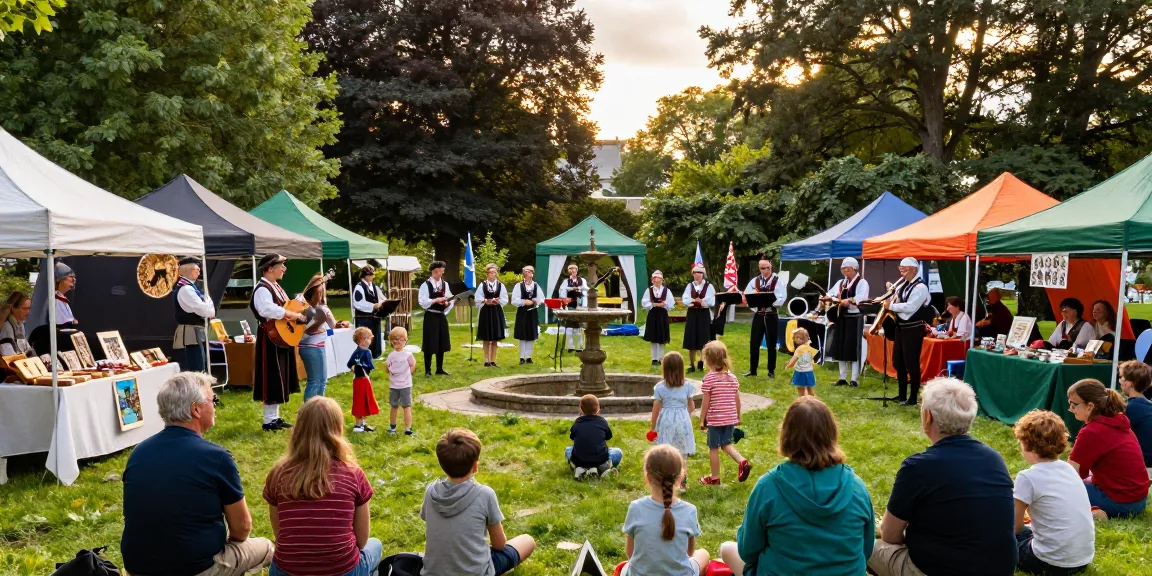
- Dance: Fest-noz, or night festivals, are integral in celebrating traditional Breton dances, bringing together locals and visitors alike.
- Language: The Breton language, a Celtic tongue, is an essential component of the culture, with efforts underway to promote its use and teaching in schools.
- Arts and Crafts: From textiles to pottery, local artisans showcase a wealth of creativity that reflects the region’s history and resources.
Identifying Your Audience for Cultural Events
Understanding your audience is crucial for the success of any cultural event. By identifying who participates in Breton cultural events, organizers can tailor experiences that resonate with diverse groups. From families and youth to older generations, catering to various demographics can enhance engagement and participation.
Who are the primary participants in Breton cultural events?
The primary participants range from local residents deeply rooted in Breton traditions to tourists eager to explore the vibrant cultural scene. Each group brings unique expectations and desires to the events, necessitating a comprehensive approach to programming.
How to tailor your event to different demographics?
Customizing events to meet the interests of different demographic groups is key. For example, family-friendly activities can attract younger audiences, while workshops and exhibitions can engage adults. Furthermore, incorporating the Breton language into events can appeal to cultural enthusiasts.
What feedback mechanisms can enhance audience engagement?
Providing avenues for feedback—such as surveys, suggestion boxes, or interactive sessions—can lead to greater audience involvement. Analyzing this input allows organizers to refine future events, ensuring they continually meet audience needs while promoting Breton culture effectively.
Key Aspects of Organizing a Successful Cultural Festival
Organizing a successful cultural festival requires careful planning and execution. Various aspects, ranging from logistics to artist collaboration, must be considered to create an enriching experience for attendees.
What logistical considerations are essential for festival planning?
Key logistical considerations include venue selection, scheduling, budgeting, and safety measures. Ensuring that the chosen venue aligns with the event’s theme and is accessible to all participants is crucial for maximizing attendance.
How to collaborate with local artists and organizations?
Collaborating with local artists and organizations not only enhances the festival’s authenticity but also supports the region’s cultural economy. Building partnerships can lead to co-promotions and shared resources, resulting in a richer festival experience.
What roles can volunteers play in cultural festivals?
Volunteers are vital to the success of cultural festivals, taking on responsibilities ranging from event setup and crowd management to assisting artists. Engaging local volunteers can also foster a community spirit and create a sense of ownership among participants.
Promoting Your Breton Cultural Events Effectively
Effective promotion is crucial in attracting visitors to cultural events. Utilizing diverse marketing channels can reach different segments of the population, ensuring that the events are well-attended.
What channels are most effective for reaching your audience?
Using a mix of traditional media, such as posters and flyers, along with digital platforms, including social media and email newsletters, can maximize outreach. Engaging local influencers can also enhance visibility within the community.
How to use social media for event promotion?
Social media platforms provide an excellent opportunity to create buzz around cultural events. By sharing engaging content, including videos, images, and testimonials, organizers can build excitement and encourage sharing among potential attendees.
What are some innovative marketing strategies to stand out?
- Interactive Campaigns: Consider launching online contests or challenges that encourage user-generated content.
- Themed Events: Host pre-events or teasers that align with festival themes to capture interest.
- Partnership Promotions: Collaborate with local businesses to offer discounts for festival attendees.
Measuring Success and Impact of Cultural Events
Measuring the success and impact of cultural events is vital for understanding their effectiveness and areas for improvement. Implementing key metrics can provide insight into audience engagement and cultural promotion.
What metrics should be tracked to evaluate success?
Metrics such as attendance numbers, ticket sales, and participant demographics can provide valuable data for analysis. Additionally, monitoring social media engagement and post-event feedback can inform future planning.
How to gather participant feedback for future improvements?
Encouraging participants to share their experiences through surveys or informal discussions can uncover insights that enhance future events. Offering incentives, such as discounts on future tickets, can increase feedback opportunities.
What are the lasting benefits of promoting Breton culture?
Promoting Breton culture builds community pride and attracts tourism, contributing to the region’s economic growth. Additionally, it fosters a shared identity among residents while enhancing the preservation of traditions for future generations.
What are the key considerations for securing sponsorship?
When seeking sponsorship, it is important to clearly define mutual benefits and showcase the value that supporting a cultural event provides the sponsor. Building relationships with local businesses can create long-term partnerships that boost future events.
How do partnerships with local businesses enhance events?
Collaborating with local businesses can enhance festival offerings through cross-promotions and sponsorships. Local vendors provide an authentic touch, allowing visitors to experience the culture through cuisine, crafts, and services.
What legal factors must be considered when organizing events?
Legal considerations, such as permits, insurance, and safety regulations, are pivotal for smooth event execution. Ensuring compliance protects both organizers and attendees, contributing to a successful cultural experience.