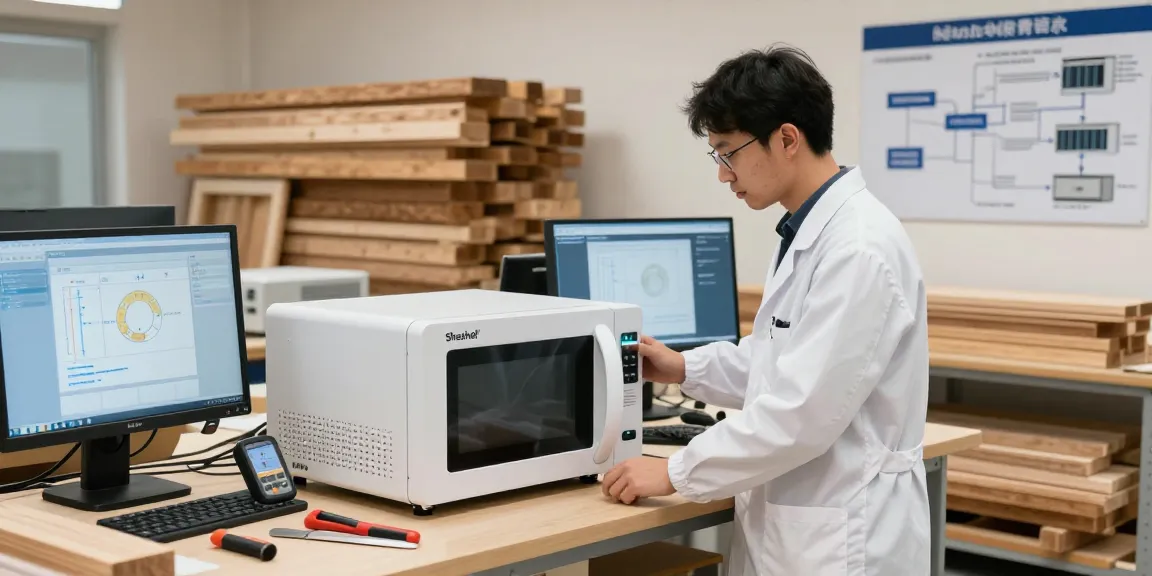
Understanding the Shashel Technology
In the realm of pest control, the proliferation of wood-boring insects, particularly woodworms, poses a significant challenge for homeowners and businesses alike. Shashel® has emerged as a revolutionary solution, employing advanced microwave technology to provide rapid and efficient elimination of these pests. With an impressive capability to eradicate woodworms and their larvae in mere minutes, Shashel® stands out not just for its effectiveness, but also for its environmentally friendly approach. By utilizing microwave energy, the devices penetrate deeply into wood, ensuring that all life stages of wood-boring insects are targeted. When exploring options, Shashel provides comprehensive insights into how their technology changes the game in pest control.
What is Shashel and How Does It Work?
Shashel is a cutting-edge device that utilizes microwave radiation to generate heat within the wood, reaching temperatures that are lethal to wood-boring insects while remaining safe for the wood structure itself. This method is both chemical-free and non-toxic, making it ideal for residential and commercial applications. The technology is based on the principle of electromagnetic waves that excite water molecules in the wood, causing a rapid increase in temperature. This unique mechanism ensures that pests are eliminated in all life stages—eggs, larvae, and adults—without the need for harmful pesticides.
Benefits of Microwave Technology in Woodworm Treatment
One of the primary benefits of using Shashel technology is the speed of treatment. Unlike traditional methods that can take weeks to show results, Shashel devices can eliminate infestations within minutes. Additionally, the absence of chemicals means there are no harmful residues left behind, making it a safer option for both inhabitants and the environment. Other benefits include:
- Deep penetration: The microwave energy penetrates deeply into wood, ensuring that all pests, even those hidden deep within, are eradicated.
- Quality: The process does not compromise the integrity or quality of the wood, making it an excellent choice for preservation.
- Ease of use: Shashel devices are designed for ease of operation, allowing users to treat infestations without extensive training.
Comparing Shashel to Traditional Pest Control Methods
Traditional pest control methods typically involve the use of chemical insecticides, which can be harmful to both human health and the environment. In contrast, Shashel’s approach eliminates the need for these toxins, making it a preferred choice for eco-conscious consumers. Moreover, while chemical treatments often require multiple applications and extended periods for effectiveness, the Shashel device provides a one-time, effective solution.
Identifying Woodworm Infestations
Recognizing a woodworm infestation early is crucial to preventing significant damage. Woodworms can weaken the structural integrity of wooden items, leading to costly repairs. Understanding the signs of infestation and the common types of wood-boring beetles can help homeowners take proactive measures.
Signs of Woodworm Damage in Wooden Structures
There are several indicators of woodworm damage to look out for:
- Small holes: These exit holes are typically the size of a pin and indicate where adult beetles have emerged.
- Frass: Powdery wood dust, known as frass, may be found near infested wood, indicating activity.
- Weak or crumbling wood: A significant sign of infestation is visibly weakened wooden structures, indicating internal damage.
Common Species of Wood-Boring Beetles
The most common wood-boring insects include:
- Common furniture beetle (Anobium punctatum): This beetle is notorious for infesting softwoods and hardwoods.
- House longhorn beetle (Hylotrupes bajulus): Preferring coniferous woods, this pest can cause extensive damage.
- Powderpost beetle (Lyctus spp.): Known for infesting dried hardwoods, they create fine dust as they bore through the wood.
How to Assess the Severity of Infestation
To accurately assess the severity of a woodworm infestation, follow these steps:
- Inspect visible wooden structures for signs of holes or frass.
- Check behind walls and under floors for hidden infestations.
- Monitor areas with high humidity, as these are often breeding grounds for wood-boring insects.
Implementing Shashel Equipment
Once a woodworm infestation is confirmed, implementing Shashel equipment promptly can mitigate damage. Setting up and calibrating the devices correctly is essential for effective treatment.
Setup and Calibration of Shashel Devices
Setting up Shashel devices involves the following steps:
- Ensure the device is properly positioned to direct microwave energy at the affected area.
- Calibrate the settings based on the wood type and thickness for optimal penetration.
- Conduct a trial run to ensure the equipment is functioning as intended.
Best Practices for Effective Treatment
To maximize the effectiveness of Shashel's microwave treatment, consider these best practices:
- Ensure that the wood is dry, as moisture can hinder the microwave’s effectiveness.
- Conduct multiple applications if necessary, particularly in cases of severe infestation.
- Follow the manufacturer's guidelines for treatment times based on wood thickness.
Safety Precautions During Microwave Applications
Safety is paramount when operating microwave pest control devices. Users should:
- Wear protective gear to avoid exposure to microwave radiation.
- Keep the area clear of people and pets during the treatment process.
- Ensure proper ventilation in the treatment area, particularly if any wood treatments are also being applied.
Post-Treatment Care and Maintenance
After treatment, it is essential to assess the success of the Shashel method and maintain the health of the wood to prevent future infestations.
Evaluating Treatment Success with Key Metrics
To evaluate the success of the treatment, monitor the affected area for:
- Absence of new frass or exit holes.
- Improved structural integrity of the wood.
- Reduced signs of beetle activity over time.
Long-Term Wood Preservation Strategies
Beyond immediate treatment, long-term strategies are vital for wood preservation:
- Regular inspections of wooden structures to catch infestations early.
- Applying preventive treatments that deter wood-boring insects.
- Maintaining stable humidity levels to reduce the risk of infestations.
Recommended Products to Maintain Wood Health
Using complementary products can enhance the longevity of treated wood:
- Wood preservatives that protect against moisture and pests.
- Humidity control solutions such as dehumidifiers.
- Regular cleaning and maintenance to remove debris and dust.
Future Trends in Pest Control
The pest control industry is evolving, and microwave technology is paving the way for innovative solutions in managing wood-boring insects.
Anticipated Developments in Microwave Technology
Future developments may include:
- Increased efficiency and energy-saving technologies in Shashel devices.
- Integration of smart technology for real-time monitoring of infestations.
- Expansion of microwave applications to other pest control areas beyond wood-boring insects.
Shashel's Role in Sustainable Pest Management
As environmental awareness grows, Shashel's commitment to chemical-free pest control positions it favorably in the market. Their technology aligns with sustainable practices, appealing to eco-conscious consumers.
How Consumer Preferences Are Shaping the Industry's Future
Consumers are increasingly seeking non-toxic, effective solutions for pest management. Shashel's emphasis on safety and efficacy meets this demand, driving innovation and adoption.
What Are the Future Challenges and Innovations?
Despite the advantages, challenges remain. Public awareness and education about the benefits of microwave pest control are essential. Additionally, ongoing research and development will be crucial to refine these technologies and expand their applications.
What is the effectiveness of the Shashel microwave system?
The Shashel microwave system is highly effective, with demonstrated results in eliminating wood-boring insects rapidly and without residual chemicals.
How does Shashel compare to chemical pest control?
Compared to traditional chemical methods, Shashel offers a safer, quicker, and more environmentally friendly solution for pest management.
What safety measures should be taken when using Shashel devices?
Users should follow all safety guidelines provided by Shashel, including wearing protective equipment and ensuring the treatment area is clear.
Can Shashel equipment be used for all types of wood?
Yes, Shashel devices are designed to treat various wood types effectively, but calibration may be required based on specific wood characteristics.
What are the maintenance requirements for Shashel devices?
Regular maintenance includes cleaning the equipment and checking for any operational issues to ensure consistent performance.