Understanding Control de Acceso con Pulsera Digital
As the event industry evolves, the need for efficient and secure access management becomes paramount. Digital wristband access control has emerged as a leading solution to streamline event entry and enhance attendee experiences. These state-of-the-art wristbands leverage NFC (Near Field Communication) and RFID (Radio Frequency Identification) technologies to provide seamless access for events of all sizes, ensuring that organizers can manage crowds effectively while enhancing the overall experience for attendees. When exploring options, control de acceso con pulsera digital provides comprehensive insights into how this technology can benefit your next event.
What is Digital Wristband Access Control?
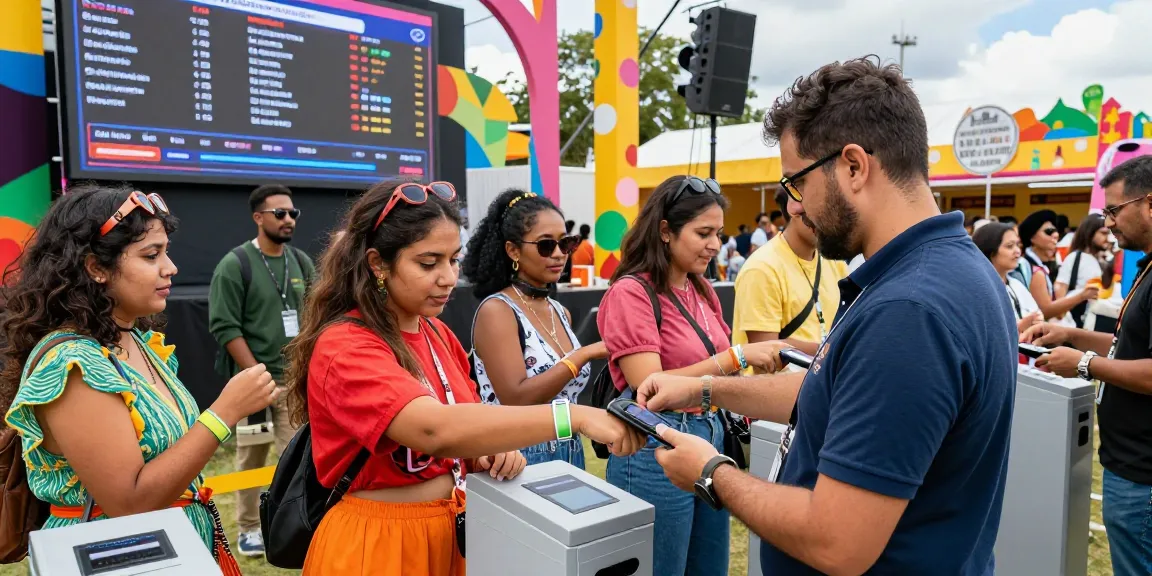
Digital wristband access control systems utilize advanced technology to replace traditional ticketing processes with a more secure, faster, and manageable solution. These wristbands are embedded with electronic chips that communicate with scanning devices at event entry points, allowing for instantaneous verification of attendee credentials. By implementing wristband technology, event organizers can automate entry processes, reduce waiting times, and enhance security protocols, making it an ideal choice for festivals, conferences, and corporate events.
The Technology Behind NFC and RFID Wristbands
NFC and RFID technologies are at the core of digital wristbands. NFC operates by allowing two devices to communicate when in close proximity, typically a few centimeters apart. This technology enables quick scanning and data exchange without the need for physical contact, which is crucial for maintaining hygiene during events. On the other hand, RFID uses electromagnetic fields to automatically identify and track tags attached to objects, which in this case, are the wristbands themselves. Together, these technologies enable event organizers to implement sophisticated access control systems that can handle thousands of attendees simultaneously, enhancing crowd management and safety.
Benefits of Using Digital Wristbands at Events
Implementing digital wristbands brings numerous advantages. Firstly, they improve the speed at which attendees can enter the venue, eliminating long queues that often lead to frustration. Additionally, because these systems are integrated with payment solutions, they allow for cashless transactions at vendors, reducing the need for cash handling and facilitating faster purchases. This integration can lead to increased sales and improved vendor satisfaction. Furthermore, real-time data analytics provide event organizers with actionable insights into attendance patterns, allowing for better resource allocation and operational efficiency.
Key Features for Effective Event Management
Real-time Access Monitoring and Analytics
With digital wristbands, event organizers gain access to a wealth of information regarding attendee movement and behavior. Real-time monitoring tools can track the number of entries and exits, enabling organizers to manage crowd flow effectively. Event management platforms typically offer dashboards that display attendance statistics, allowing for swift decision-making based on the current state of the event. This capability not only enhances security but also ensures that all areas of the event are adequately staffed and resourced as required.
Seamless Payment Integration for Vendors
One of the standout features of digital wristband systems is their seamless integration with payment solutions. Attendees can load funds onto their wristbands upon arrival, allowing them to make cashless purchases at food and merchandise vendors throughout the event. This eliminates the hassle of handling cash or cards, provides a faster transaction process, and enhances the overall customer experience. Moreover, vendors benefit from simplified transaction processes, which can lead to increased sales as attendees are more likely to make impulse purchases when the payment process is quick and easy.
Enhancing Attendee Experience Through Technology
Enhancing the attendee experience is fundamental to successful event management, and digital wristbands play a critical role in this. By reducing wait times, facilitating quick payments, and providing easy access to event activities, these wristbands create a more enjoyable atmosphere. Additionally, many wristbands can integrate with mobile apps, allowing attendees to access schedules, maps, and other vital information right from their devices. This incorporation of technology not only simplifies the experience but also keeps attendees engaged throughout the event.
Implementing Digital Wristband Solutions
Best Practices for Event Setup and Logistics
When setting up a digital wristband system, careful planning is essential. Start by assessing your event’s specific needs, including expected attendance, venue layout, and security requirements. Collaborate closely with your technology provider to establish an effective implementation strategy. This strategy should include the installation of access points, staff training, and rigorous testing of the wristband system before the event. Early testing can reveal potential issues and allow for adjustments to ensure a smooth operation on the event day.
How to Choose the Right Provider for Your Event
Selecting the right provider for your digital wristband solution is a critical step in ensuring the success of your event. Look for a provider with extensive experience in the industry and a proven track record of successful implementations for events similar to yours. Evaluate their technology for reliability, speed, and security features. Additionally, consider customer service responsiveness and technical support options, as having assistance readily available can significantly improve your event execution.
Case Studies: Successful Implementations
Many events have successfully integrated digital wristband systems, demonstrating their effectiveness. For instance, at the SoundWave Festival, a staggering 40,000 attendees were processed through gates without any significant delays, thanks to the efficient use of digital wristbands. Similarly, at TechCon Global, the cashless payment feature streamlined vendor reporting, reducing data processing time from days to mere seconds. These case studies illustrate the transformative impact that digital wristband solutions can have on event logistics and attendee satisfaction.
Common Challenges and Solutions
Handling Large Crowds Effectively
Managing large crowds is one of the primary challenges event organizers face. Digital wristbands significantly mitigate this challenge by allowing for rapid entry and exit. However, organizers should also implement additional strategies such as proper signage, clearly marked entry and exit points, and sufficient staff to guide attendees through the process. Utilizing real-time analytics to monitor crowd density can further help in adjusting staffing levels where needed, ensuring safety and comfort for all attendees.
Data Privacy and Security Considerations
With the increased reliance on digital platforms comes the responsibility of protecting attendee data. Event organizers must ensure that the wristband solution they choose complies with data protection regulations and employs robust security measures. This includes encryption of sensitive data, secure payment processing, and transparent privacy policies that inform attendees about data usage. Providing attendees with reassurances about their data security can enhance trust and encourage full participation.
Addressing Technical Issues During Events
Technical issues can arise during events, and having a plan in place to address them is crucial. Ensure that technical support staff are on-site during the event to resolve any potential problems promptly. Additionally, conducting thorough system checks before the event can help identify and eliminate potential issues. Providing backup systems or alternative access methods can also ensure that the event runs smoothly, even in the face of unexpected challenges.
Future Trends in Event Access Control
Emerging Technologies to Watch in 2026
The landscape of event access control is rapidly evolving, with numerous technologies set to shape its future. Innovations such as biometric identification, where attendees can use their fingerprints or facial recognition for entry, are on the horizon. These technologies can further streamline access processes and enhance security. Additionally, advancements in mobile wallet technologies may soon allow attendees to use their smartphones for entry and payments, providing even greater convenience.
How Trends in Consumer Behavior are Shaping Events
Understanding consumer behavior is essential for effective event management. As more attendees become accustomed to seamless digital experiences in their daily lives, they will increasingly expect similar convenience at events. This shift is driving the demand for technologies that facilitate quick entry and cashless transactions. Furthermore, as consumers prioritize sustainability, event organizers are exploring eco-friendly wristband technologies, such as biodegradable materials, to align with attendee values.
Innovations on the Horizon for Digital Wristbands
The future of digital wristbands holds exciting possibilities, including enhanced interactivity through augmented reality features and integration with social media platforms. These innovations could transform how attendees engage with events, offering personalized experiences through data-driven insights and tailored content. As technology continues to advance, event organizers will be better equipped to create engaging, efficient, and memorable experiences for all participants.