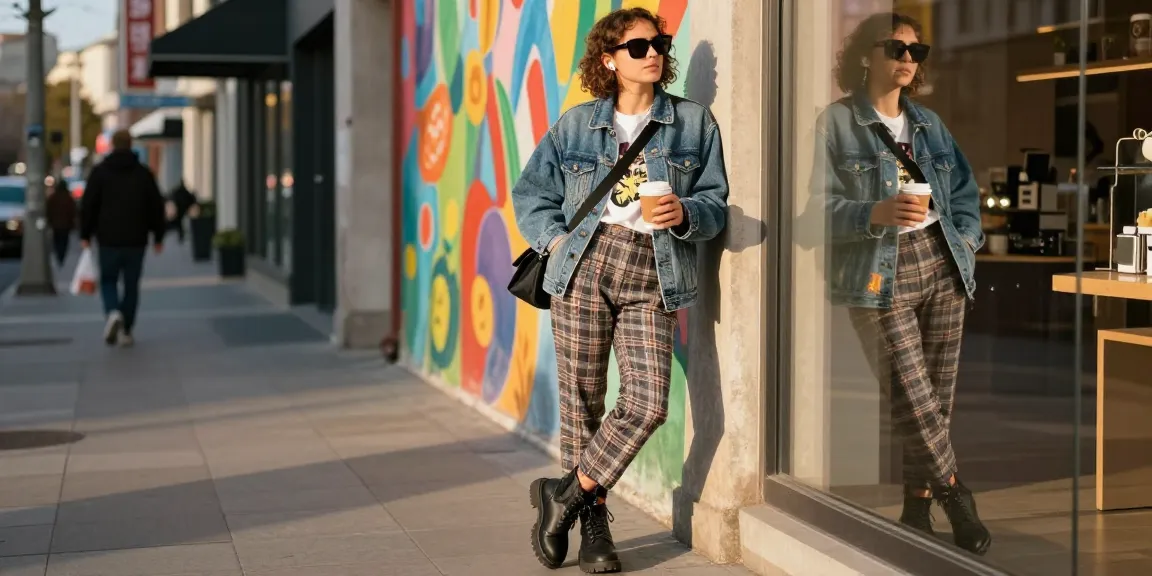
Understanding the Fashion Landscape of 2026
As we advance into 2026, the fashion landscape continues to evolve, influenced by social, environmental, and technological trends. Fashion is no longer just about aesthetics; it’s about identity, sustainability, and self-expression. Understanding these dynamics is crucial for anyone looking to navigate the modern fashion landscape effectively. Moreover, brands and consumers alike are adapting their strategies to align with changing preferences, allowing for a more personalized and meaningful approach to style. When exploring options, https://www.sukan8a.com/ provides comprehensive insights into these developments and how they may shape consumer choices.
Current Trends Influencing Style Choices
In 2026, several trends are shaping style choices across demographics. First, the rise of gender-neutral fashion is evident, with many brands opting for designs that cater to all genders. This inclusive approach reflects a broader societal shift towards diversity and equality.
Secondly, vintage and thrift shopping is gaining popularity, largely due to the growing emphasis on sustainability. The fashion industry is responding to consumer demands for eco-conscious options by promoting pre-owned garments and upcycled materials. As a result, a mix of modern and retro styles is prevalent in wardrobes today.
Another notable trend is the integration of technology in fashion, such as smart fabrics and wearable tech. These innovations not only enhance functionality but also create new opportunities for personalization.
Impact of Sustainability on Fashion Preferences
Sustainability has become a pivotal factor in fashion preferences. Consumers are increasingly aware of the environmental impact of their purchases and are gravitating towards brands that prioritize sustainable practices. This shift has led to a significant increase in demand for organic materials, ethically produced garments, and transparent supply chains.
Brands are now investing in sustainable technologies and processes, from eco-friendly dyes to reduced water usage in manufacturing. The trend towards minimalism also emphasizes quality over quantity, encouraging consumers to invest in timeless pieces rather than fast fashion items.
Moreover, many fashion companies are adopting circular economy principles, ensuring that their products can be reused or recycled at the end of their lifecycle. This movement not only appeals to environmentally conscious consumers but also creates a new market for sustainable goods.
How Social Media Shapes Fashion Trends
Social media platforms play an influential role in shaping fashion trends in 2026. With platforms like Instagram, TikTok, and Pinterest providing a stage for influencers and brands, trends can go viral within days. This rapid dissemination of styles tends to foster a culture of immediacy where consumers are constantly seeking the latest looks.
Additionally, user-generated content allows consumers to showcase their personal styles, making fashion more democratic. This democratization empowers individuals to express their creativity and inspires others to experiment with new trends.
Fashion weeks and runway shows are no longer the sole gatekeepers of trendsetting; platforms like Instagram are now integral to how trends are defined and spread. Influencers and content creators are often the first to adopt and promote these trends, providing followers with immediate access to the latest styles.
Key Strategies for Building Your Unique Style
Developing a personal style is an empowering journey that allows individuals to express their identity through clothing. In 2026, this process requires a thoughtful and informed approach that balances aesthetics with personal values.
Identifying Your Personal Fashion Aesthetic
To build a unique style, the first step is identifying your personal aesthetic. Consider what styles resonate with you, the colors you are drawn to, and the types of clothing that make you feel confident. Create a mood board using images from magazines, Pinterest, or social media to visualize your style.
Understanding your lifestyle is equally important; your wardrobe should reflect your daily activities and occasions. By aligning your wardrobe with personal preferences and life situations, you can create a cohesive and functional style that is uniquely yours.
Mixing High-End and Affordable Fashion Brands
In today’s fashion landscape, mixing high-end and affordable pieces is not only permissible but encouraged. This approach allows you to incorporate luxury items that provide quality and longevity while also accessing trendy, budget-friendly pieces that can change as quickly as the seasons do.
Focus on investing in timeless staples such as tailored blazers, quality jeans, and classic footwear that can elevate any outfit. Complement these with more affordable, trend-driven garments to keep your style fresh without overspending.
Importance of Accessories in Fashion Statements
Accessories are essential for completing any outfit and can be powerful tools for self-expression. In 2026, statement jewelry, unique bags, and bold shoes can elevate even the simplest ensembles.
Consider how accessories can reflect your personality and values. For instance, eco-friendly accessories made from sustainable materials can showcase your commitment to sustainability. Mixing and matching different pieces allows for greater creativity and helps to define your personal style further.
Navigating Online Shopping: Tips and Best Practices
As online shopping becomes increasingly prevalent, mastering the art of e-commerce in the fashion world is essential. With a plethora of options available at your fingertips, knowing how to find the best deals, sizes, and styles can significantly enhance your shopping experience.
How to Choose the Right Size When Shopping Online
One of the most significant challenges of online shopping is finding the right size. Different brands often have varying sizing charts, making it essential to refer to each brand’s specific measurements before making a purchase. Always check the return policies to ensure you can exchange items if necessary.
Consider using online tools like virtual fitting rooms, where available, which utilize augmented reality to help visualize how clothing will look on your body. This technology can reduce the likelihood of sizing issues.
Understanding Return Policies for Online Retailers
Before making any online purchase, it’s vital to familiarize yourself with the retailer’s return policy. Knowing whether you can return or exchange items will save you from potential headaches later. Look for retailers that offer free returns or exchanges, making the shopping experience more risk-free.
Additionally, keep an eye on timelines. Some retailers have limited return windows, and knowing these can help you decide quicker, ensuring you don’t miss out on returning unsatisfactory items.
Using Online Reviews to Make Informed Purchases
Online reviews are a treasure trove of information when it comes to making informed purchases. They provide insights into the fit, quality, and performance of garments, allowing you to gauge whether a piece is worth your investment.
Seek reviews that discuss not just the product quality, but also the shopping experience. This will give you a holistic view of what to expect from a brand, enhancing your confidence in your purchase decisions.
Empowering Yourself Through Fashion
Fashion is an incredibly powerful tool for self-empowerment and personal branding. As we embrace 2026, recognizing how our clothing choices impact our identities and public perceptions is vital.
The Role of Fashion in Personal Branding
Your personal style is a significant component of your personal brand. The way you dress can influence how others perceive you and can convey messages about your professionalism, creativity, and confidence. Crafting a unique style that aligns with your brand can enhance your visibility and opportunities in various spheres of life, from work to social interactions.
Consistency in your fashion choices fosters recognition. When your style is identifiable, people can associate your visual identity with your work and values, strengthening your overall personal brand.
Building Confidence Through Outfit Choices
The right outfit can significantly impact your confidence. Understanding how colors, cuts, and styles interact with your body type can help you choose clothing that not only looks good but also feels good to wear.
Invest time in discovering what styles make you feel empowered and confident. Dressing to impress, not just others but yourself, leads to a more positive self-image and enhances your overall presence.
Fashion as a Form of Self-Expression
Fashion is a form of self-expression that goes beyond clothing. It represents who you are, your beliefs, and your story. Embracing unique fashion choices allows you to communicate your individuality to the world.
Experiment with various styles, colors, and textures to find what resonates with you. Use fashion to represent your mood, aspirations, and personal milestones, forging a deeper connection between what you wear and who you are.
Future Trends in Fashion and Personal Style
The future of fashion is bright, with numerous trends set to emerge over the next few years. Anticipating these changes can help individuals stay ahead of the curve in their personal style journeys.
Predicted Trends for 2027 and Beyond
In the coming years, the fashion industry is predicted to experience further diversification. The blending of various cultural influences will lead to a rich tapestry of styles, breaking geographical barriers.
Technology will continue to play a significant role, with virtual reality and augmented reality shaping shopping experiences. The integration of AI in fashion design and consumer preferences will also redefine how we curate our wardrobes.
Additionally, as sustainability remains a priority, innovative practices such as biodegradable materials and zero-waste production methods will become the norm, paving the way for a more responsible fashion landscape.
Technological Innovations in Fashion Retail
Technological advancements are revolutionizing the fashion retail space. Innovations like AI-driven recommendations, chatbots for customer service, and virtual try-on technology are enhancing the online shopping experience. These tools not only streamline the shopping process but also make it more enjoyable.
Furthermore, as brands leverage data analytics to understand consumer behavior better, personalized shopping experiences are on the rise. Expect to see tailored recommendations that consider past purchases and browsing history, making it easier to find styles that suit your taste.
How to Stay Ahead in the Evolving Fashion Landscape
To stay ahead in the ever-evolving fashion landscape, continually educate yourself on market trends and emerging styles. Follow fashion blogs, industry reports, and social media influencers to remain informed about what’s new and relevant.
Networking with fellow fashion enthusiasts and industry professionals can also provide valuable insights and opportunities for collaboration, further enhancing your understanding of the fashion landscape.
Lastly, always remain open to experimentation. The fashion ecosystem thrives on innovation and personal expression, so don’t be afraid to try something new and redefine your style along the way.
What are the must-have fashion items in 2026?
As we look to 2026, essential fashion items include tailored blazers, high-waisted trousers, oversized outerwear, statement boots, and eco-friendly accessories. Each of these pieces can be mixed and matched to create versatile, stylish looks, essential for any modern wardrobe.
How can I find my personal style effectively?
Finding your personal style involves introspection and exploration. Start by analyzing your existing wardrobe, identifying what you enjoy wearing, and seeking inspiration from various sources. Experiment with different combinations until you discover what feels most authentic to you.
What online shopping tips should I follow?
When shopping online, measure yourself accurately, utilize sizing charts, read product descriptions carefully, and check return policies. This diligence will ensure a smoother shopping experience and reduce the likelihood of disappointment.
How does fashion influence self-confidence?
Fashion significantly influences self-confidence by enabling individuals to express themselves. Wearing clothes that align with personal taste and values fosters a sense of authenticity, making individuals feel more empowered and confident in their interactions.
What future trends should we expect in fashion?
Expect further personalization in fashion, increased emphasis on sustainability, technological integration in production and retail processes, and the emergence of diverse cultural influences shaping style choices in future trends.