Understanding Image to Image Techniques
In the realm of digital content creation, image to image techniques have emerged as a transformative approach to visual editing. This technology allows users to manipulate and enhance images by transforming one image into another. Whether for artistic endeavors, professional projects, or social media content, mastering these methods can elevate the quality of work produced in various industries.
What is Image to Image Editing?
Image to image editing refers to a broad range of techniques that alter an image while retaining its essential features. This can include applying filters, overlays, or completely transforming elements within the photograph. It leverages technologies such as neural networks and artificial intelligence to create stunning visual outcomes that were previously only possible through traditional editing methods.
Benefits of Image to Image Transformations
- Enhanced Creativity: Allows artists and designers to experiment with different styles and concepts without starting from scratch.
- Time Efficiency: Automates repetitive editing tasks, freeing up time for more strategic creative work.
- Improved Visual Quality: Uses advanced algorithms that can enhance image resolution and detail far beyond standard editing practices.
- Broader Accessibility: Makes high-quality editing tools available to amateurs and professionals alike, democratizing artistry.
Common Tools for Image to Image Editing
Various tools cater to different needs and expertise levels in image to image editing. From sophisticated software for professionals to mobile apps for casual users, here are some popular options:
- Adobe Photoshop: Industry standard for image editing with extensive features for image manipulation.
- GIMP: A powerful open-source alternative that offers many features comparable to Photoshop.
- Canva: User-friendly interface ideal for social media graphics and quick edits.
- DeepArt: Uses neural networks to transform images into artistic renditions based on prominent styles.
Best Image to Image Tools for Professionals
Top Software Options for Graphic Designers
Graphic designers require tools that offer precision and versatility. Here are the top software options that can enhance their workflow:
- Adobe Creative Cloud: Comprehensive suite including Photoshop, Illustrator, and more, suitable for complex image to image projects.
- CorelDRAW: An intuitive graphic design software that focuses on vector illustration and photo editing.
- Affinity Photo: A budget-friendly alternative with a robust feature set for image manipulation.
Comparing Image to Image Apps for Mobile Users
In today’s mobile-driven world, having access to capable editing apps is essential. Some of the best image to image editing apps for mobile users include:
- Snapseed: Offers a wide range of editing features, including filters and brush tools.
- PicsArt: Combines photo editing with social networking, allowing users to share their creations.
- Pixlr: Provides a quick and effective way to enhance photos on the go with a variety of tools.
Open Source Solutions for Artistic Projects
A growing community of artists favors open-source software for image to image transformations. These tools often offer extensive customization options:
- Krita: Specifically designed for illustrators, Krita offers powerful features for digital painting and image manipulation.
- Paint.NET: Although simpler than GIMP, it remains a capable tool for quick image edits and adjustments.
- Inkscape: Ideal for vector graphics editing and creating scalable designs from images.
Mastering Image to Image Techniques
Step-by-Step Guide to Effective Editing
To effectively master image to image editing, follow these steps:
- Plan Your Concept: Start with a clear idea of what you want to achieve to guide your editing process.
- Select the Right Tools: Choose the software or app that fits your skill level and project requirements.
- Start with a Base Image: Pick a high-quality image as your foundation for transformation.
- Experiment with Filters and Effects: Apply different styles until you find one that resonates with your vision.
- Fine-Tune Details: Use tools like layers and masks effectively to refine your image.
- Save and Export: Ensure to save your projects in multiple formats for future edits or different platforms.
Advanced Techniques for Professionals
Professionals can elevate their editing skills by integrating advanced techniques such as:
- Layering: Using multiple layers allows for non-destructive editing and easier adjustments.
- Blending Modes: Experimenting with different blending options can yield unique design styles.
- Color Grading: Adjusting colors in your images can evoke specific emotions and themes.
Common Pitfalls and How to Avoid Them
Even skilled editors can fall into traps that hinder their projects. Here are some common pitfalls and how to circumvent them:
- Over-Editing: Resist the urge to apply too many effects; sometimes, less is more.
- Ignoring Composition: Always consider the fundamental principles of design, such as balance and contrast.
- Neglecting Feedback: Seeking constructive criticism from peers can vastly improve the quality of your work.
Creative Applications of Image to Image Editing
Leveraging Image to Image in Marketing
Marketers utilize image to image techniques to create compelling visual content that stands out. By transforming images to fit brand messaging, companies can enhance engagement and conversion rates. Creative visuals can lead to increased shares on social media platforms and improved brand recognition.
Using Image to Image in Fine Art and Illustration
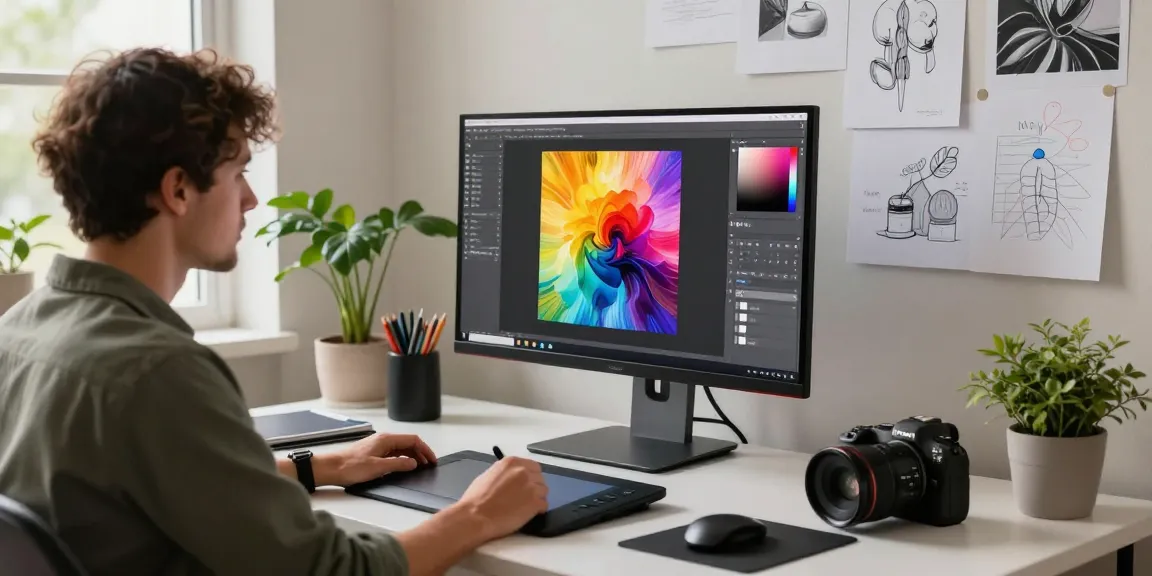
Artists often employ image to image techniques for innovative artwork creation. By blending traditional art with digital methods, they can produce pieces that resonate with contemporary audiences while retaining originality. These methods allow for exploration of new styles and forms, enabling artists to push creative boundaries.
Transforming Social Media Content with Image to Image
The impact of visual content on social media is profound. Businesses and individuals can use image to image editing to create eye-catching posts that encourage user interaction. From unique filters to artistic transformations, using these techniques can significantly enhance the appeal of social media content.
The Future of Image to Image Editing
Emerging Trends and Technologies by 2026
As technology advances, the future of image to image editing is poised for exciting developments. Anticipated trends include:
- AI-Driven Automation: Increased use of AI tools will simplify complex editing processes for users.
- Integration with AR/VR: Augmented and virtual reality will create immersive editing experiences.
- Real-time Collaboration: Tools that enable collaborative editing will become standard, enhancing teamwork in creative projects.
Predictions for Image to Image Software Development
Software developers are likely to focus on user-friendly interfaces and advanced capabilities, catering to an increasingly diverse range of users. Incorporating features such as machine learning algorithms will allow for more intuitive editing experiences, making sophisticated techniques accessible to novices.
How AI is Shaping the Image to Image Landscape
Artificial intelligence is transforming image to image editing by enabling smarter, more efficient workflows. AI can quickly analyze images and suggest enhancements, making it easier for users to achieve professional-quality results without extensive training. Expect to see more AI-powered features in mainstream editing tools as the technology matures.
What are the best practices for image to image editing?
To achieve optimal results in image to image editing, adhere to best practices such as maintaining color consistency, utilizing layers for non-destructive changes, and continually experimenting with new techniques to expand your skills.
How do I choose the right software for image to image?
Choosing the right software depends on your specific needs, skill level, and the types of images you work with. Consider factors like user interface, available features, and your budget to find the best fit.
Can image to image techniques improve my design skills?
Absolutely! Engaging with image to image techniques offers hands-on practice that can refine your design abilities, enabling you to understand complex concepts and apply them in your projects.
What future trends should I follow in image to image editing?
Keep an eye on AI advancements, AR and VR integrations, and collaborative tools, as these trends will shape the future of image editing and influence how creative professionals work.
Is there an easy way to learn image to image editing?
Yes! Online tutorials, courses, and communities dedicated to image editing can provide valuable resources and support for beginners looking to develop their skills in image to image transformations.